TouchBistro
TouchBistro raised $158 million to stop being a point-of-sale company. One product, five more coming, a brand built to sell one thing.
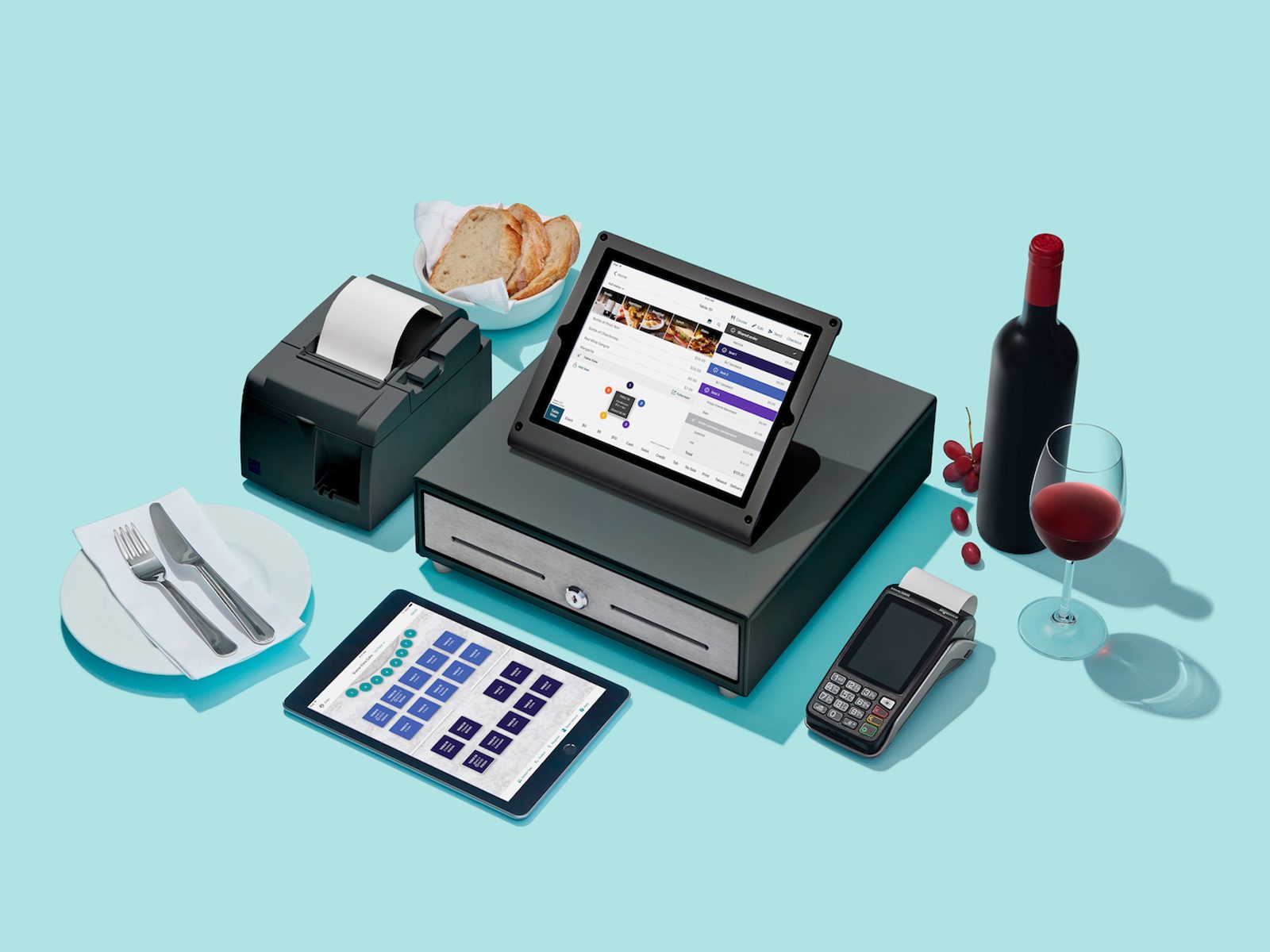
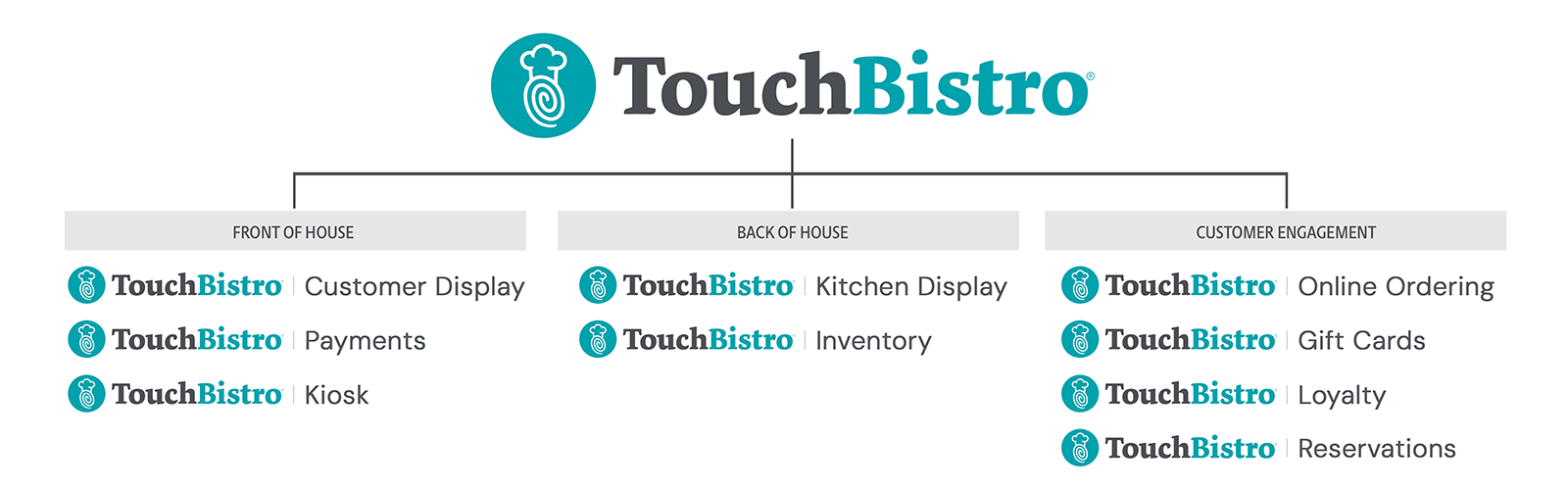
The naming system I built still organizes everything they sell.
What the system turned out to be for
01 · March 2020From strictly a design POV, a product launch at TouchBistro took a month. I know the number because I built them. A week of writing and pre-production, a few days of production, two weeks of edit, motion and finish. You couldn't run two at once, so launches stacked in a queue.
In the back half of March 2020 we ran three at the same time. A new company tagline and the film that carried it. Gift Cards. Online Ordering. The first two were announced on April 6, seventeen days after the country closed.
That only worked because the arguments had already happened. They'd been settled the spring before, in a fight I lost.
I'd pitched the branded house to keep a growing product line coherent. It turned out to be the thing that let a company ship at emergency speed with a quarter of its staff about to go.
One product became six
02 · Brand architectureTouchBistro was turning an iPad POS into a restaurant operating system. Over eighteen months it bought three reservation companies and a loyalty platform, and shipped Reservations, Dine, Gift Cards, Online Ordering and Loyalty. In September 2019 it closed a CDN$158 million Series E to pay for the rest. OMERS put in $100 million of it, the largest investment the pension fund had ever made in Canadian tech.
The brand couldn't carry that. TouchBistro called itself "an iPad POS built for restaurant people, by restaurant people." A good line that sells one product, to one buyer, once.
Everyone signed off. Nobody had tested it yet.
What broke
03 · The argument I lostIn April 2019 we bought Bookenda, and several of its people came with it.
A few weeks later they came to our office for a meeting. In the room: the CEO, the VP of Product, the director of product marketing, and two of the new arrivals, one of whom had co-founded Bookenda and before that ran brand at YP Dine. They wanted to keep the name. They'd built it.
Their case was that Bookenda and Yellow Pages carried equity with the customers we were about to migrate, and that erasing the name would spook the people we most needed to keep. The CEO had led the acquisition and didn't want to push away the talent he'd just bought.
What shipped was a Frankenstein. Their wordmark, our endorsement, two type systems in one lockup.

I'd designed a destination and no way in. I could place every product we'd ever own, and had no path for a brand that arrived with customers attached. An endorsed transitional mark, held for a fixed period against a plan, is a standard way to move an acquired audience without frightening it. It wasn't in my kit. The people arguing against me were reaching for something real, and I heard it as sentiment because I had nothing better to offer.
The lockup lived about four months. Then I wrote the entry path.
- Endorsed. The acquired mark keeps its wordmark and takes the TouchBistro endorsement. It can appear where existing customers already see it: in the product, at login, on invoices, in support. It can't appear in marketing to new customers, add products under its own name, or appear without the endorsement.
- Hold. The endorsement runs for one quarter from the day the deal closes, against a written migration plan for the customers it carries.
- Absorbed. Retirement is triggered when the migration plan hits its target or the quarter runs out, whichever comes first. The product takes the master brand and a plain descriptor, and the endorsement comes off.




In October the endorsement came off, and Bookenda became two products. The guest side, where a diner books a table, became TouchBistro Dine, and bookenda.com still redirects there. The restaurant side, the thing an operator pays for, became TouchBistro Reservations. The architecture sorts products by who uses them, so the migration was never going to be a rename. It was a split. Ten months later TableUp, 600 restaurants, went through the same path and became TouchBistro Loyalty.
Nobody argued.
The Secret Supper
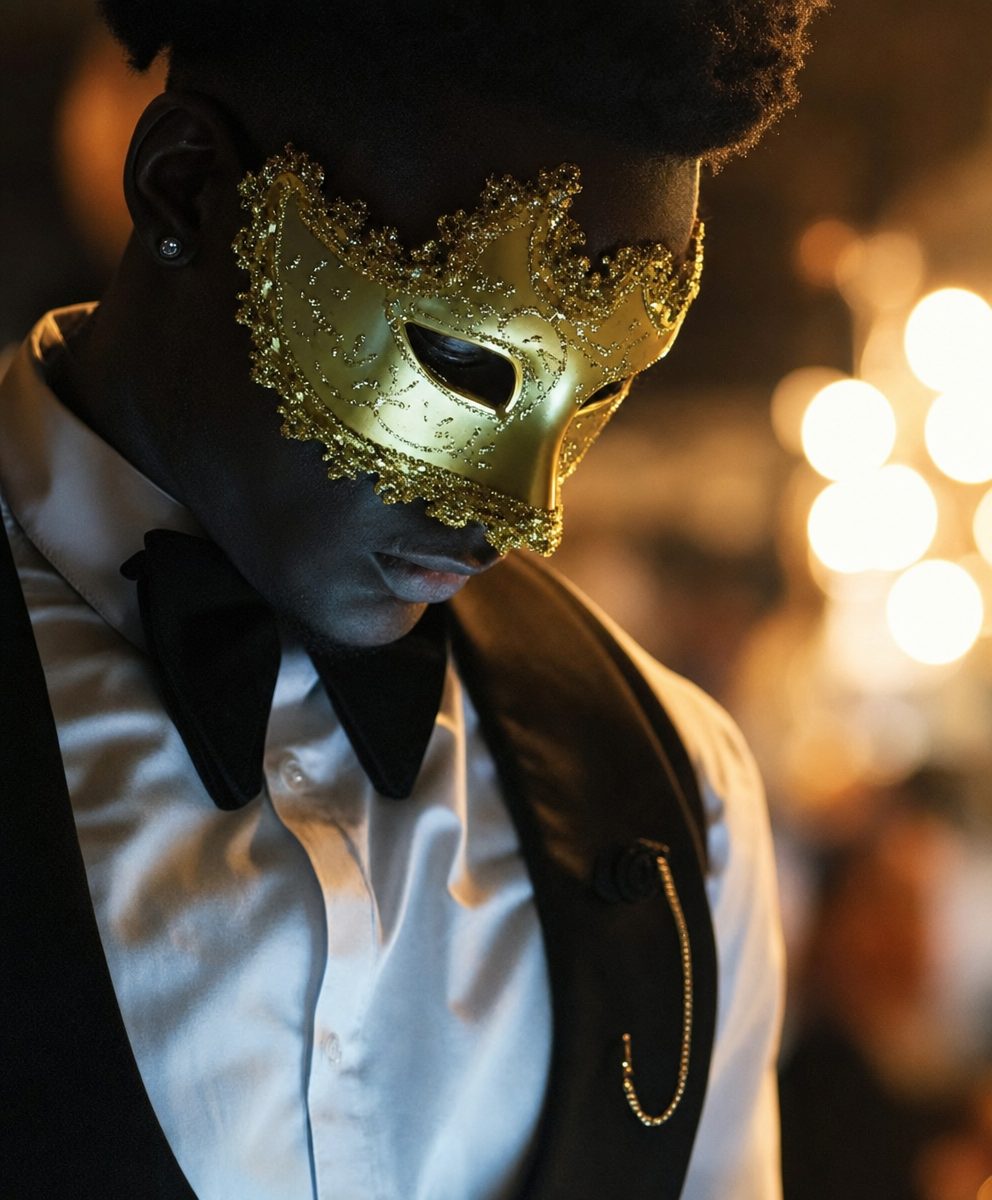
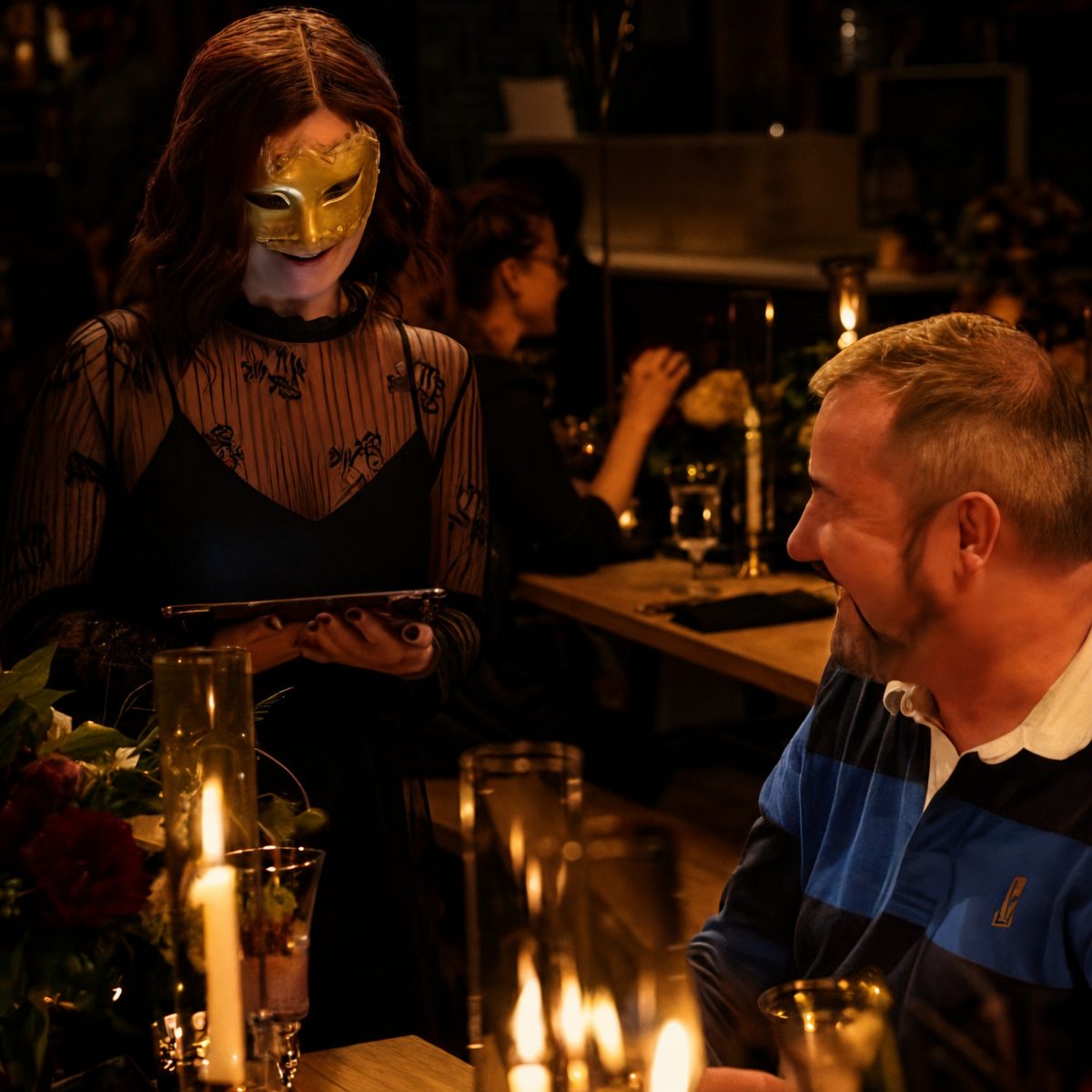
04 · Reservations launchReservations, the restaurant-facing half, then had to sell itself to restaurateurs who already took bookings some other way. An ad tells them another option exists. It doesn't show them what it does to a slow Monday, so we booked one. The Annex Food Hall, six restaurants and a bar, run for one night as a supper club with a $5,000 prize. The only way in was TouchBistro Reservations, and the booking was the ballot. Invitations hid in clues across the six restaurants' Instagram feeds. Every awarded seat went on day one, and public tickets sold out in about seventy-two hours. Ninety diners, six kitchens, fixed menus, every seat assigned by the system before anyone arrived. Afterward we published how the night ran on the product, mapped to the two things Reservations claimed: never leave a table open, and get customer feedback.
March 2020
05 · The year the customers closedWe were sent home on a Tuesday and my team was stunned. The CEO mentioned offhand that he expected we'd be back in three weeks, a month at the outside. It was closer to two years.
Every customer TouchBistro had was a restaurant, and the restaurants closed. The deeper problem was structural. The business ran on new restaurants opening, steadily, somewhere. That stopped, and the customers we already had couldn't pay their bills. The Globe and Mail later put the year in one line: growth down from above 50% to roughly 10%, about a tenth of the customer base gone, hundreds more asking for relief on fees.
Marketing leadership went into rooms with the C-suite and we rebuilt the plan in days. Late in the month, 131 of 560 people were furloughed. My team went from twelve to four. Online Ordering shipped mid-April with what was left.
Nobody could shoot anything. The films I put out that spring were cut from footage we already had, against a message none of it was filmed for.
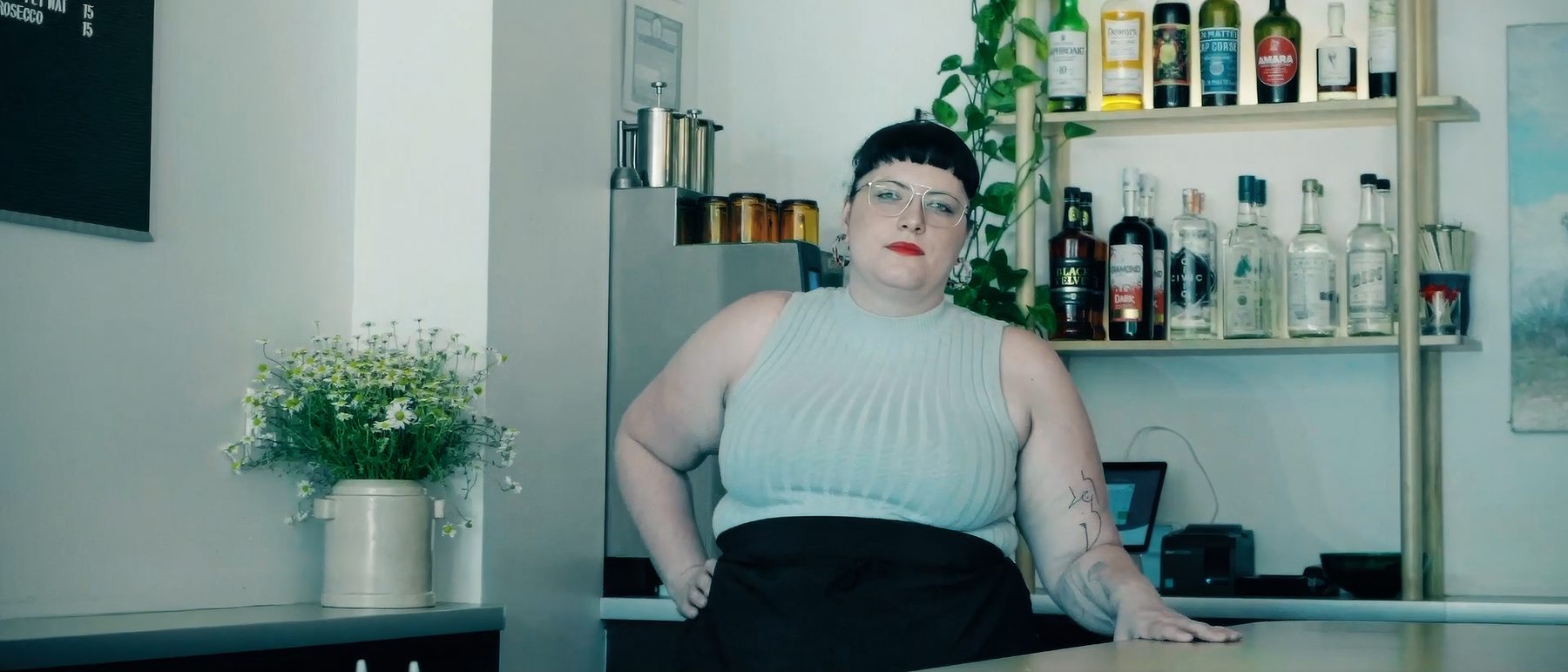
Restaurant Recovery Navigator film, spring 2020. Assembled entirely from footage shot before the pandemic.
The Restaurant Recovery Navigator stopped being a campaign and became a place customers came back to. The product was never going to be the reassuring part.
The Gordon Ramsay interview I'd been due to fly to London for never happened; travel was shutting down before I could get there. In July he sent restaurant owners a message instead, shot selfie-style, about what the industry was facing. That spring, that was exactly the right production value. It travelled a long way past our own channels.
In April 2022, TouchBistro filed TouchBistro Marketing into the system. I never worked on the product. It entered under rules I had written after losing an argument about a logo.
I left in May 2021, a month after the founder handed the CEO job to Samir Zabaneh, the board chair, brought forward to run the recovery. TouchBistro still names every product the same way and still groups them front of house, back of house and guest engagement.